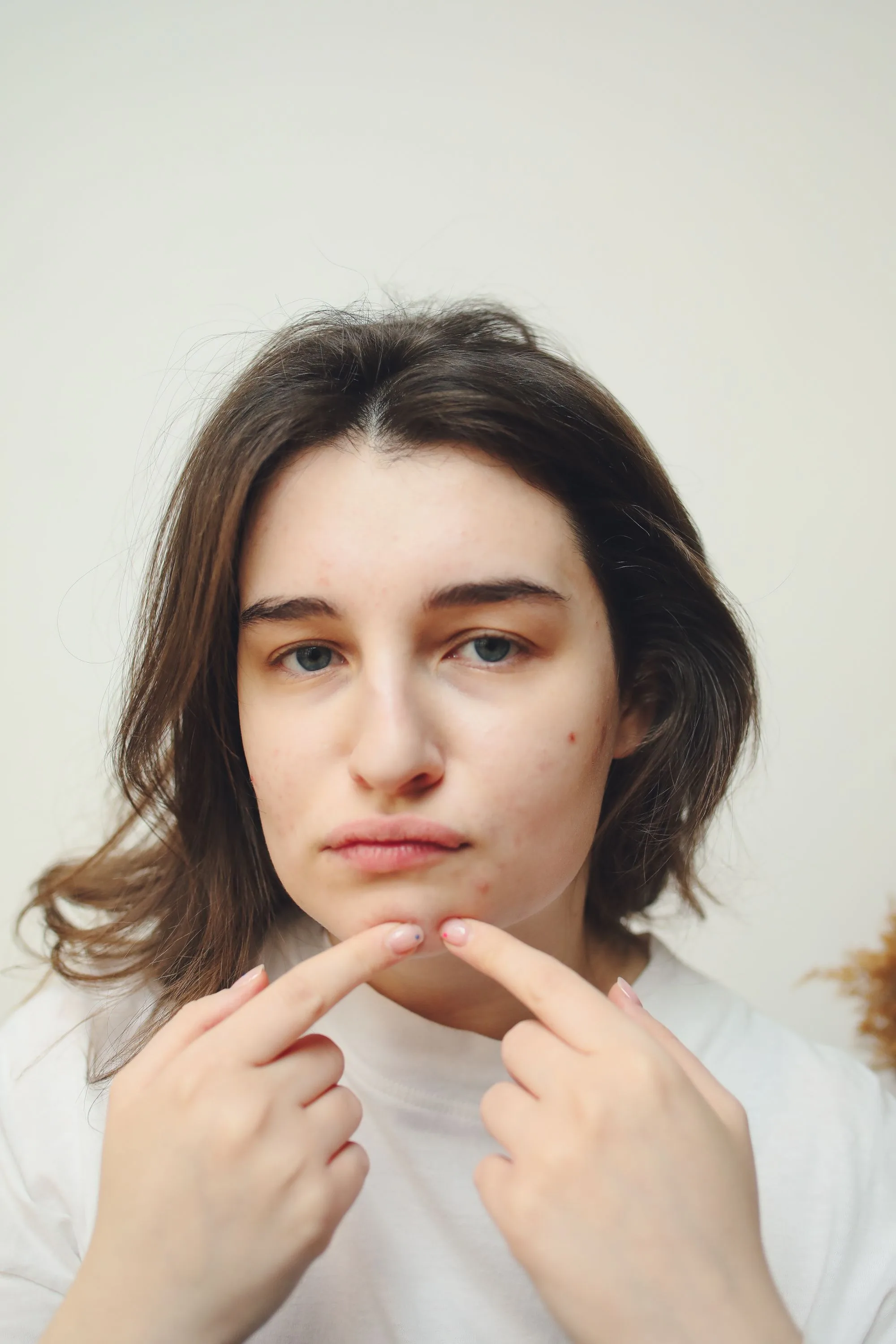
Blackheads are a common skin concern among adults, often appearing on the face, neck, and back. Understanding the causes of blackheads and how to treat them can help individuals effectively manage their skin health. At Sunrise Pediatrics Staging in Walterboro, SC, we aim to provide you with the knowledge necessary to address this issue.
What Are Blackheads?
Blackheads are a type of acne that occurs when hair follicles become clogged with oil and dead skin cells. Unlike other forms of acne, blackheads remain open at the surface, which causes the dark appearance. They are often mistaken for dirt, but the dark color is actually due to oxidation of the oil in the clogged pore.
Causes of Blackheads in Adults
Several factors contribute to the formation of blackheads in adults:
- Excess Oil Production: Overactive sebaceous glands can lead to an excess of oil on the skin.
- Dead Skin Cells: When dead skin cells do not shed properly, they can accumulate in hair follicles.
- Hormonal Changes: Hormonal fluctuations, such as those during menstruation or stress, can increase oil production.
- Certain Medications: Some medications can stimulate the skin to produce more oil, leading to blackheads.
- Pore Blockage: Environmental factors, such as pollution and cosmetic products, can block pores and contribute to blackhead formation.
Treatment Options for Blackheads
Effective treatment for blackheads includes:
- Topical Retinoids: These can help unclog pores and promote skin cell turnover.
- Salicylic Acid: This ingredient penetrates the pores and helps dissolve the debris causing blackheads.
- Regular Exfoliation: Gentle exfoliation can remove dead skin cells and prevent clogging.
- Professional Treatments: Options such as chemical peels and extractions performed by a dermatologist can effectively treat persistent blackheads.
For more detailed information on acne and its treatments, consider reading our article on acne causes, treatment, and prevention.
Prevention Strategies
To help prevent blackheads, consider the following tips:
- Keep your skin clean by washing your face twice daily.
- Use non-comedogenic skincare products that do not clog pores.
- Maintain a balanced diet and stay hydrated.
- Avoid touching your face frequently to reduce the transfer of oil and bacteria.
When to Seek Care
If you experience persistent blackheads or notice changes in your skin, it may be time to seek professional care. Look for these signs:
- Blackheads that do not improve with home treatment.
- Increased redness or swelling around the affected areas.
- Development of painful cysts or nodules.
- Worsening of skin condition despite following a skincare routine.
Get Help in Walterboro
At Sunrise Pediatrics Staging, we provide personalized care to address your skin concerns. Our team is here to help you understand your skin health and recommend appropriate treatment options.
FAQ
Can blackheads lead to more severe acne?
While blackheads themselves are not harmful, they can lead to inflammation and infection, which may result in more severe acne if not treated.
Are there home remedies for blackheads?
Some home remedies, such as steam treatments and clay masks, may help reduce blackheads. However, it’s important to use caution and consult with a healthcare professional for persistent issues.
Is it safe to remove blackheads at home?
While some people attempt to remove blackheads at home, it is recommended to seek professional help to avoid skin damage or infection.
About the Author
Dr. Johnny Test
Dr. Johnny Test is a provider at Sunrise Pediatrics Staging.